
In today’s digital world, the internet has become a powerful tool for communication, education, and innovation. But as access grows, so do the risks—misuse of personal data, online exploitation, and privacy violations.
While conversations around digital safety are increasing globally, one critical gap still remains: inclusion.
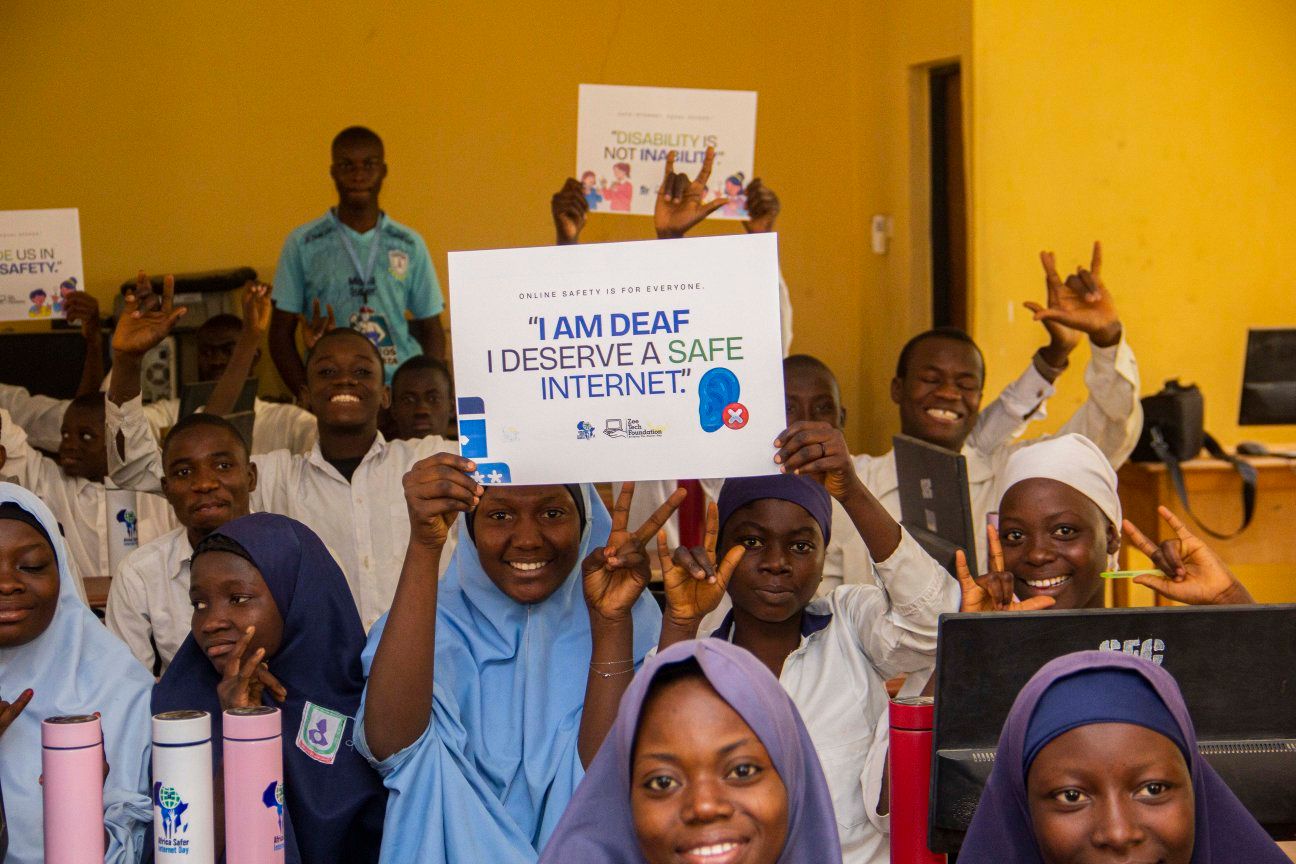
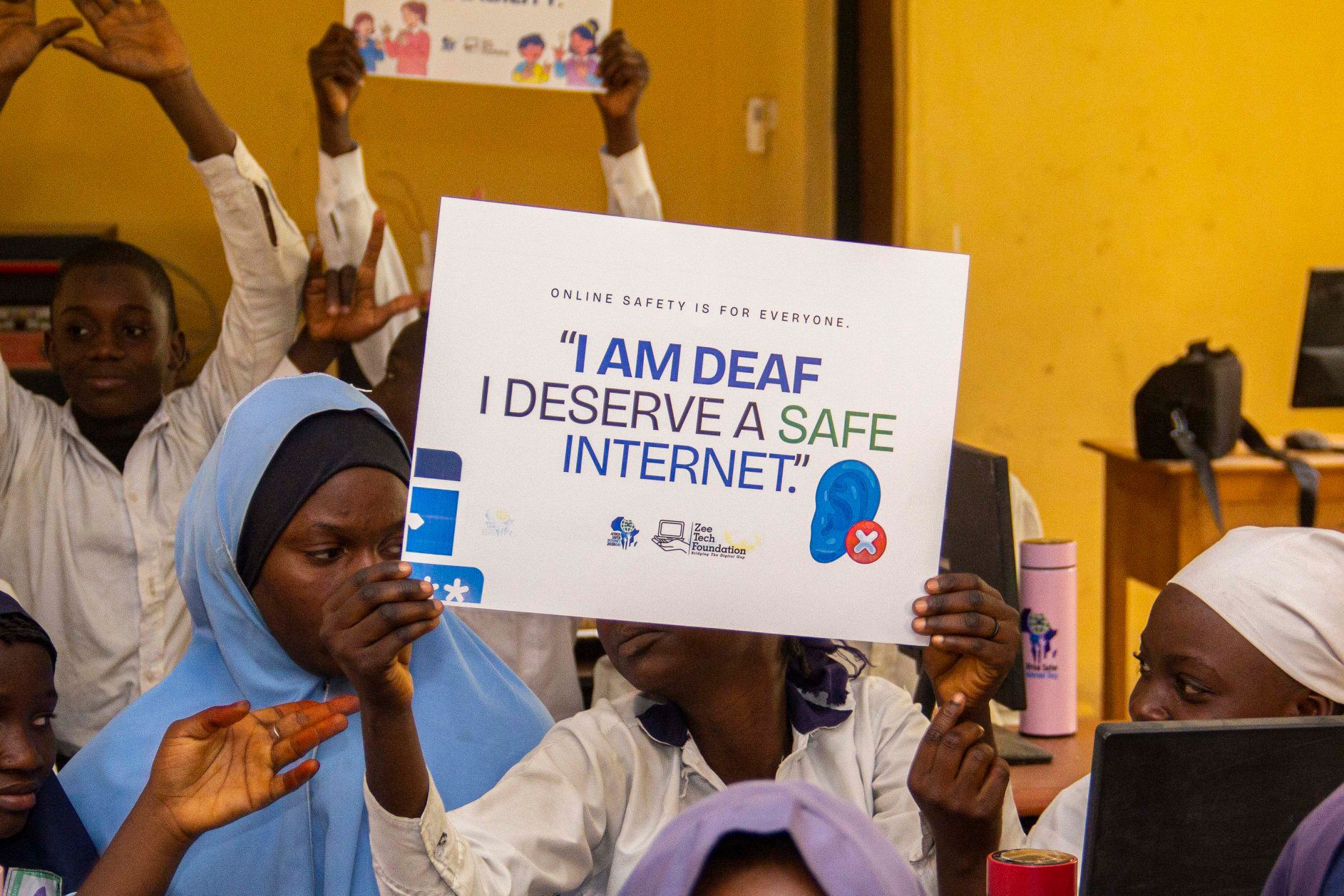
Too often, digital safety is discussed in broad terms, leaving out vulnerable groups—especially persons with disabilities, including deaf learners. This creates a dangerous imbalance where some are equipped to protect themselves online, while others remain exposed to risks.
For many deaf students, access to information about online safety and privacy is limited due to communication barriers and a lack of inclusive learning resources. This makes them more vulnerable to cyber threats, misinformation, and exploitation.
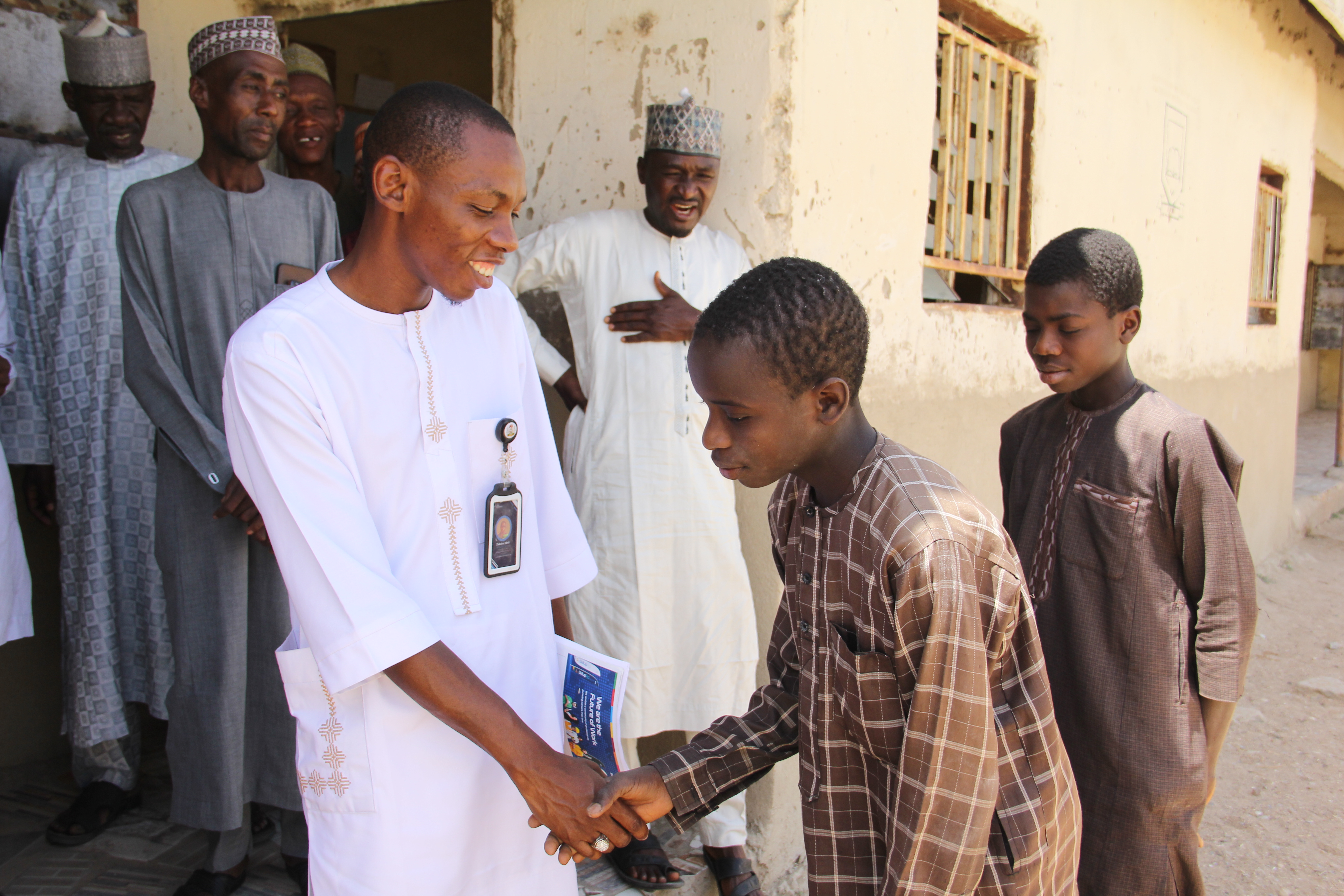
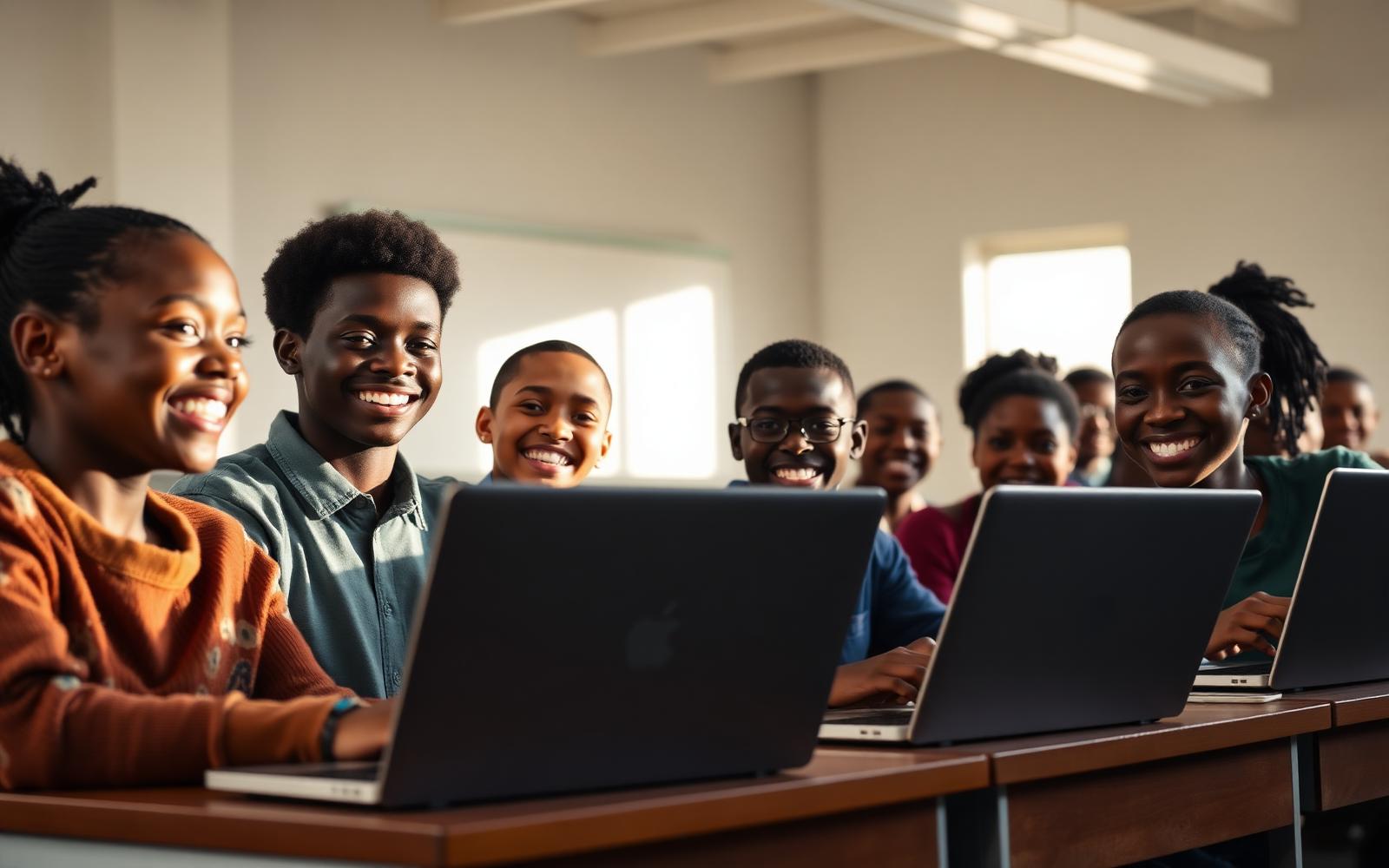
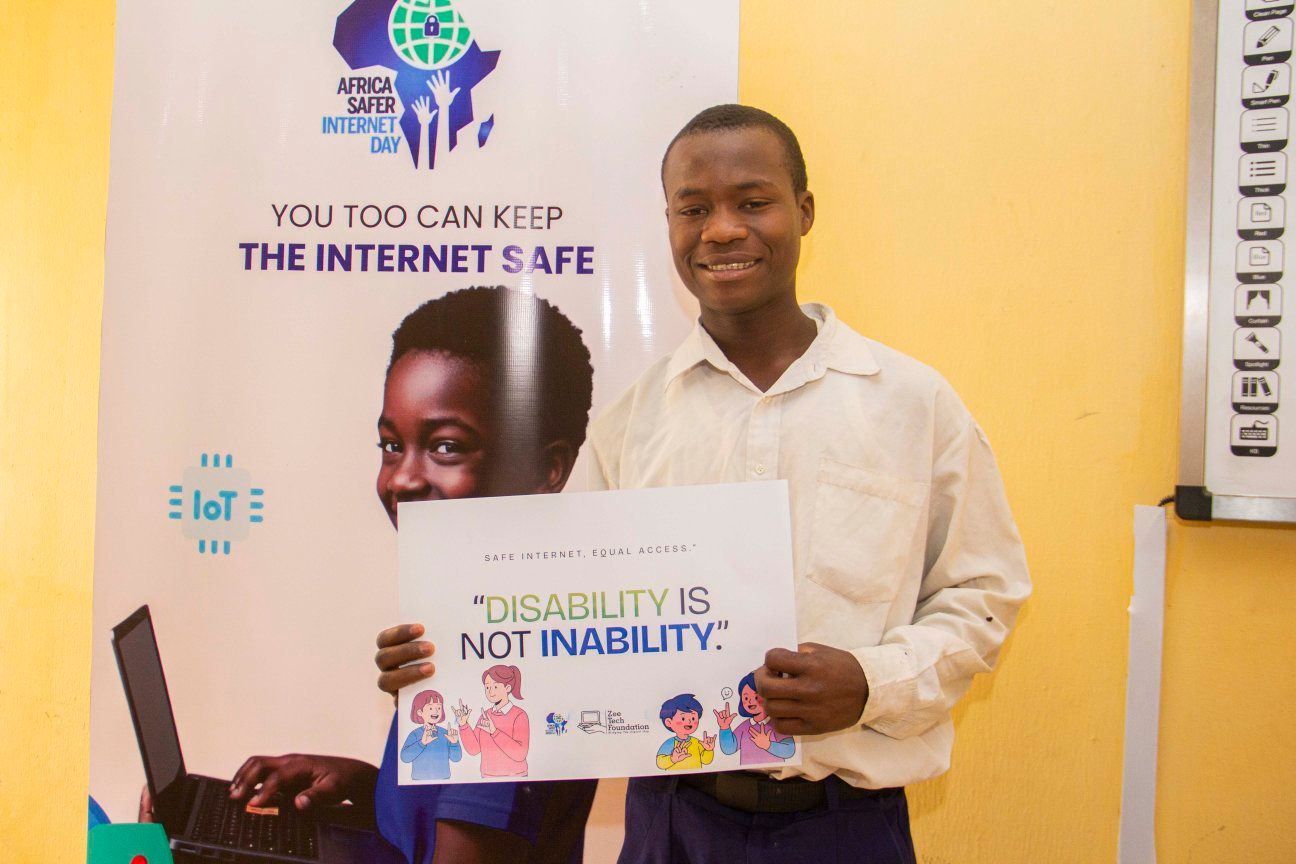
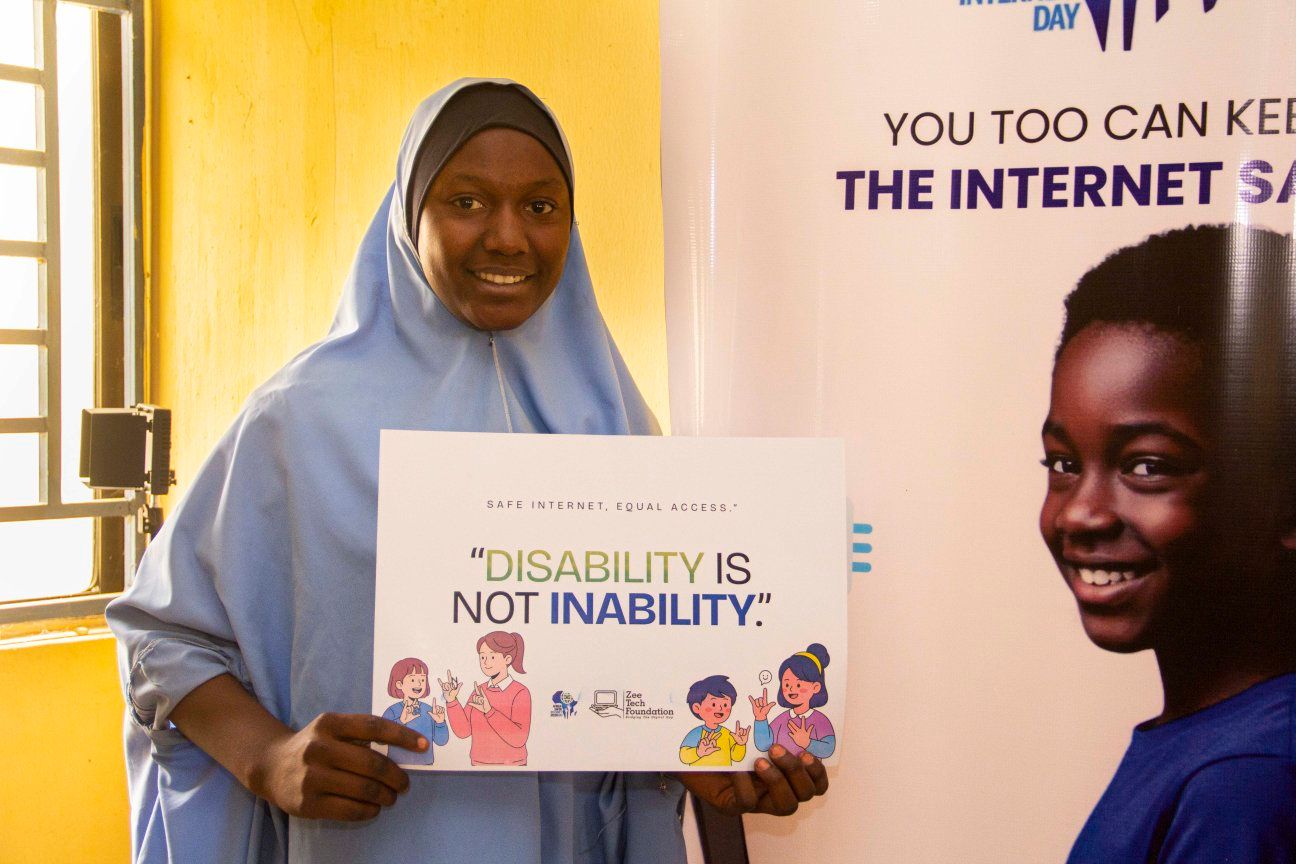
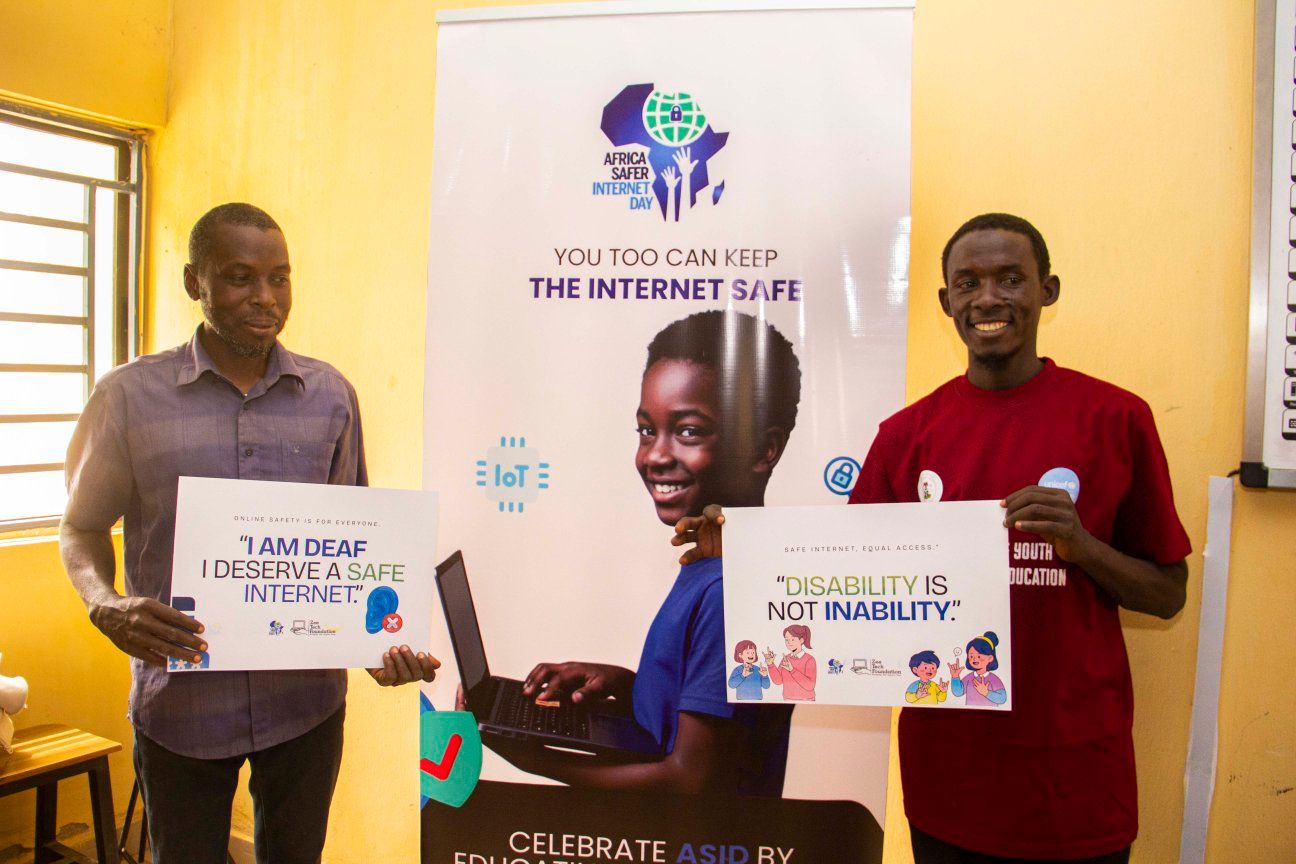
In Bauchi State, we are working to change this. Through inclusive digital literacy and online safety sessions, young people—including students with disabilities—are being equipped with the knowledge and skills to navigate the internet safely.
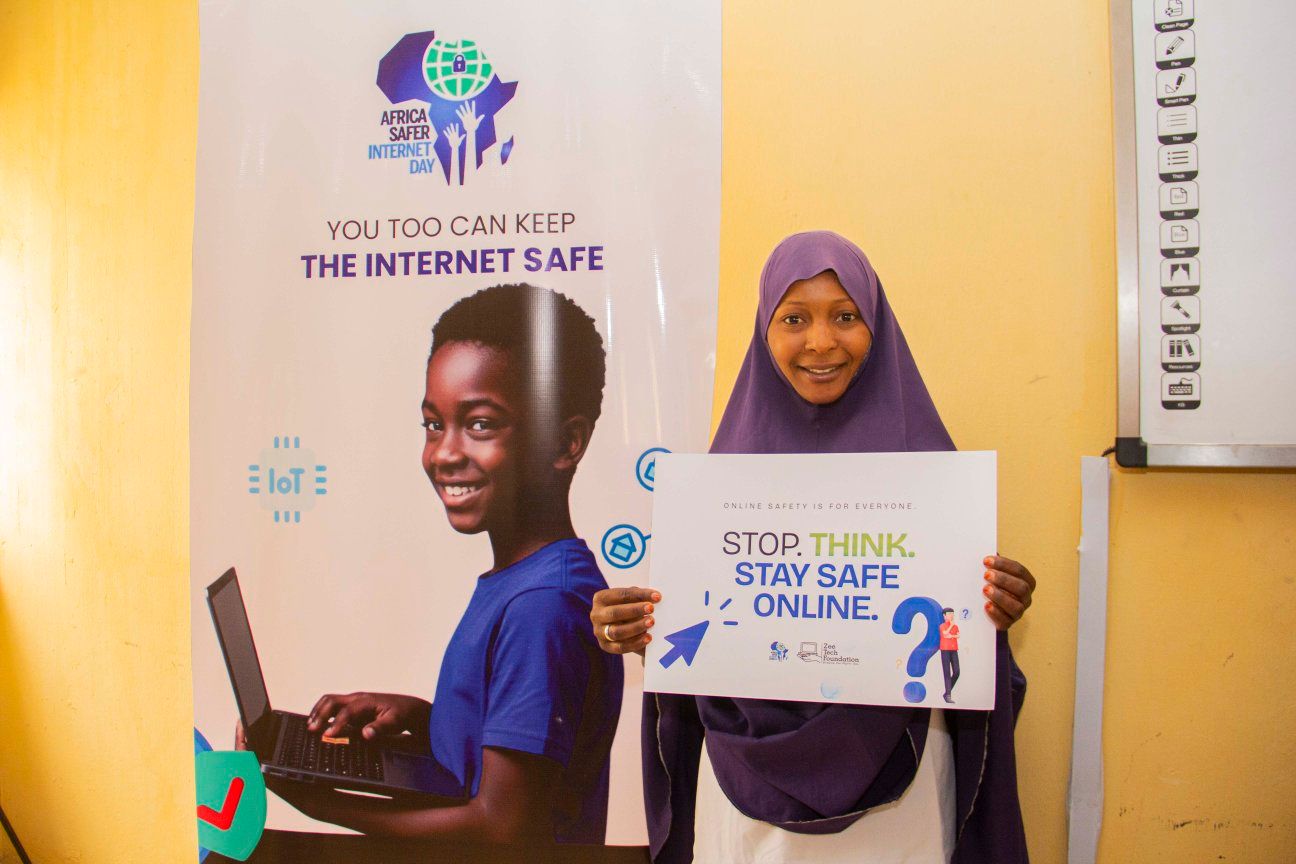
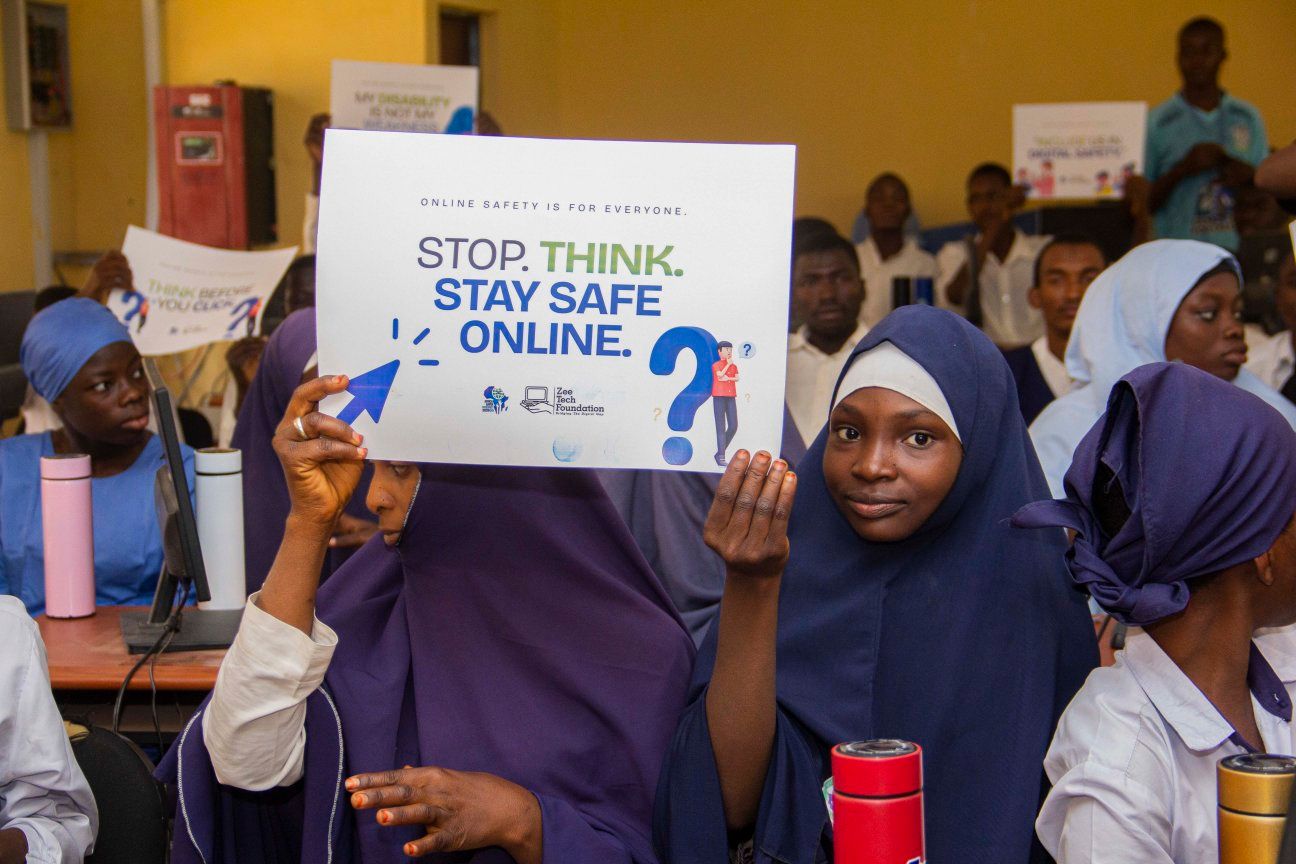
Simple messages like “Stop. Think. Stay Safe Online” are being delivered in ways that are accessible and engaging for all learners—ensuring no one is left behind.
Because digital privacy is not a privilege—it is a fundamental right for everyone.
Inclusion is not optional. It is essential.
 A safe internet must be safe for everyone.