A project strengthening digital inclusion in Bauchi State
About the EDASE Project (Enhancing Digital Access through STEM/ICT Education)
Enhancing Digital Access through STEM Education
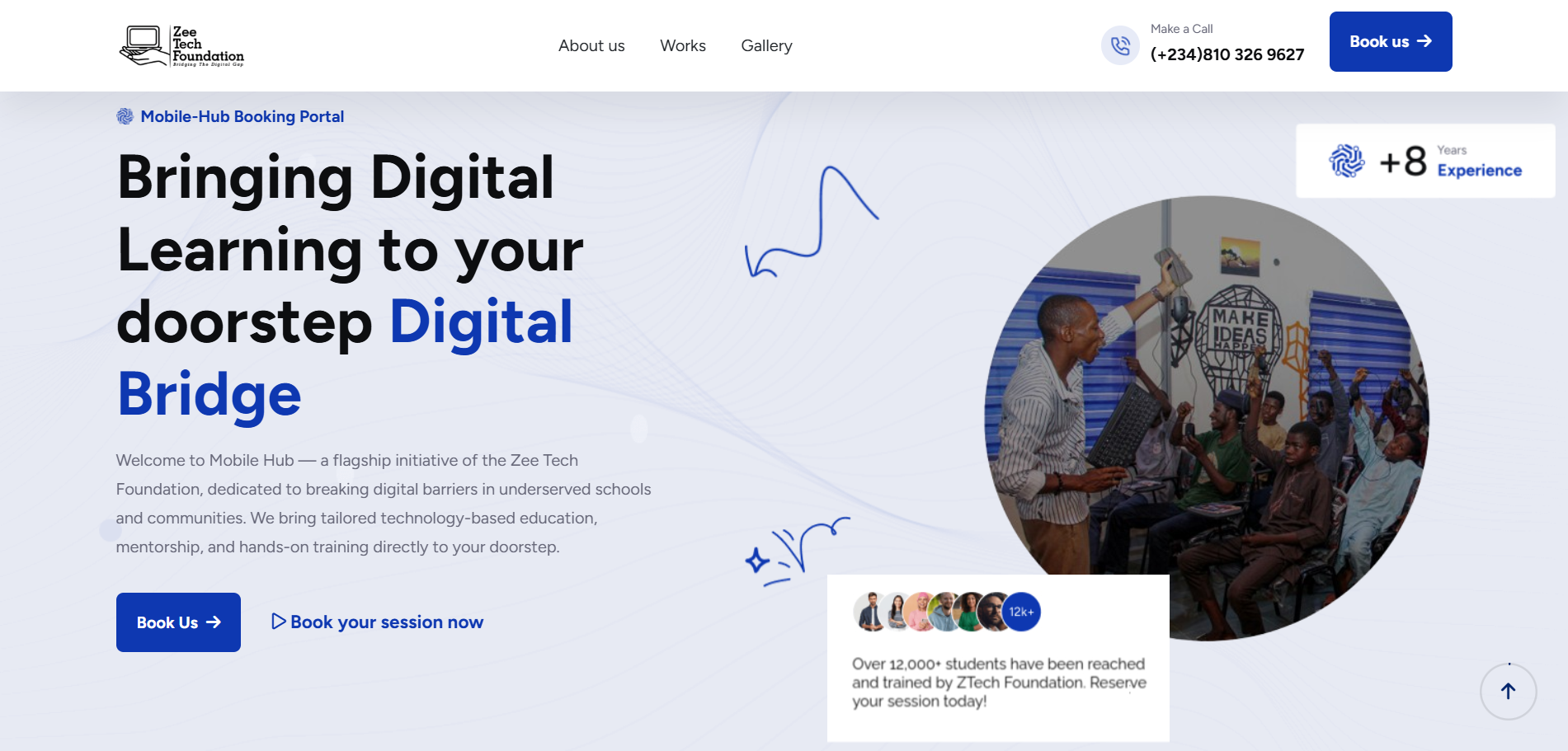
The EDASE Project is a comprehensive digital inclusion and capacity-building initiative designed to bridge the persistent and deeply rooted digital divide in Bauchi L.G.A. of Bauchi State. In a region where over 75% of households lack access to computers, the internet, or structured ICT learning environments, thousands of students remain cut off from opportunities that are essential for education, innovation, and future employment. The EDASE project was conceived in direct response to these challenges, aiming to transform access to digital tools, strengthen ICT/STEM education, and cultivate a new generation of technologically empowered youth who can participate meaningfully in Nigeria’s digital future.
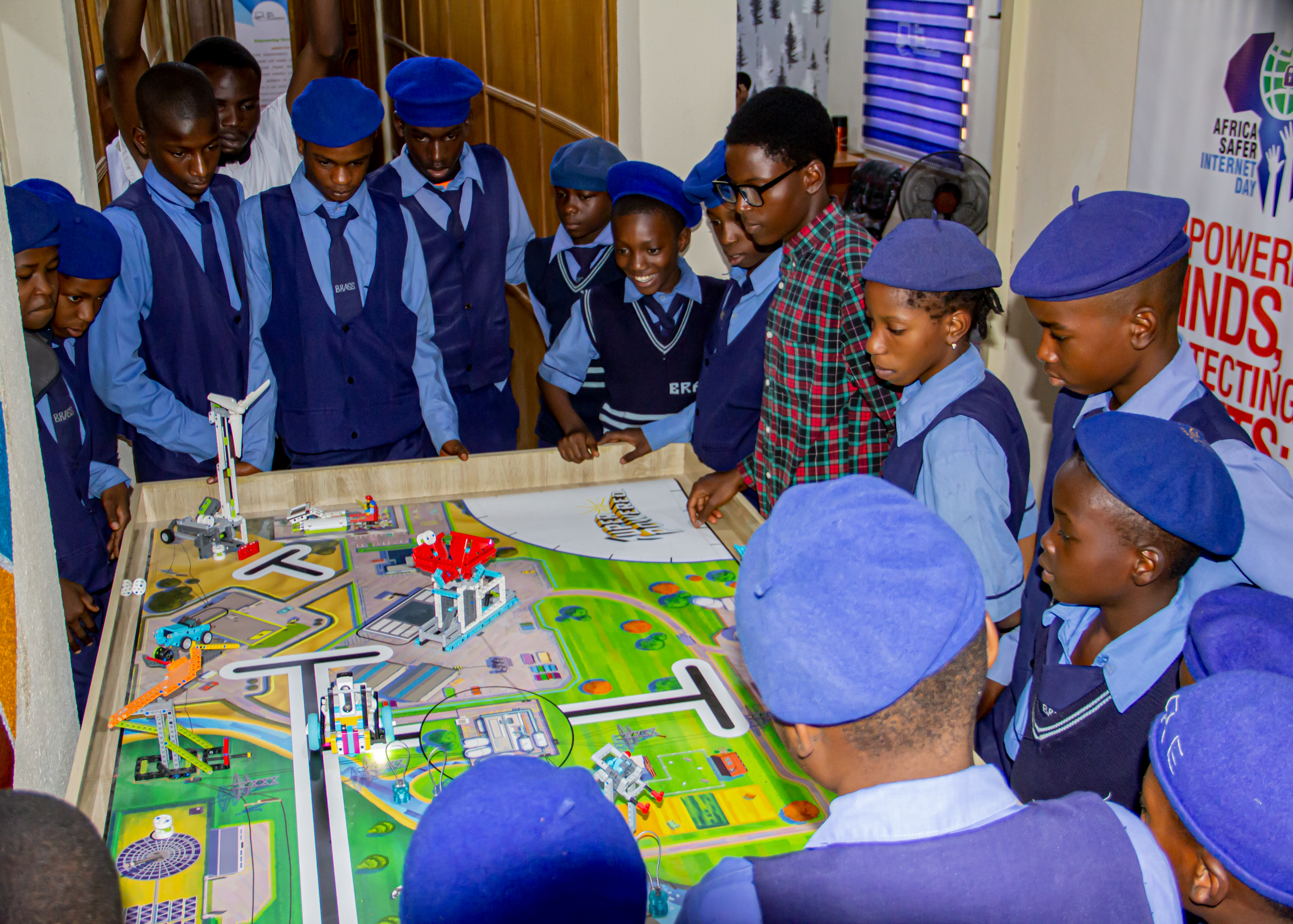
Through the establishment of a fully equipped STEM/ICT laboratory—featuring computers, internet connectivity, digital learning materials, and hands-on training spaces—the project provides students with high-quality, structured access to technology that many have never experienced before. The EDASE lab serves as a hub for exploration, practical learning, creativity, and skill development. Students learn digital literacy, basic computer operations, internet navigation, online safety, coding, and foundational STEM concepts within a supportive and learner-friendly environment. By opening these doors, the project not only expands educational opportunities but also strengthens local resilience, digital readiness, and community-wide appreciation for the role of technology in socio-economic development.
To provide sustainable access to computers, connectivity, and digital tools for underserved learners in Bauchi L.G.A.
To enhance digital literacy, ICT competence, and STEM readiness among primary and secondary school students.
To introduce students to practical digital skills that support academic growth, future employment, and personal development.
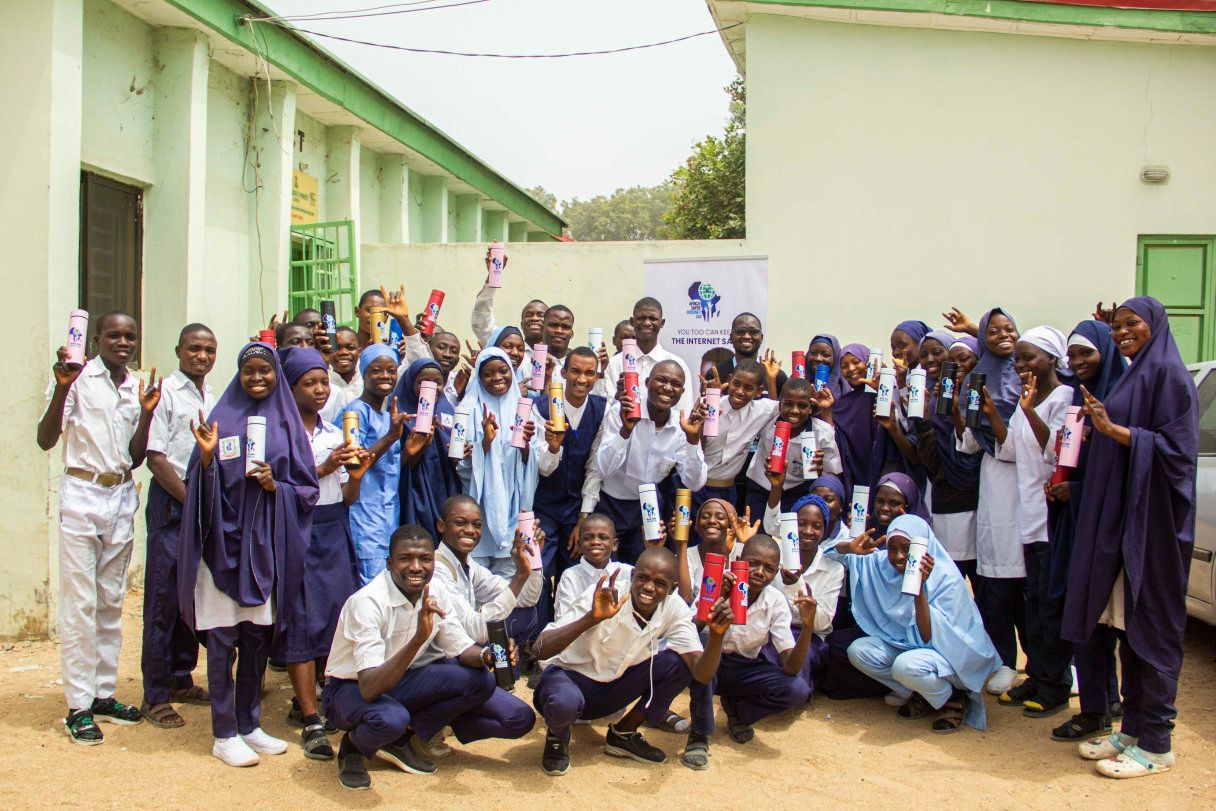
To increase community awareness of the importance of digital access, internet safety, and technology-driven learning.
To promote gender inclusion by offering girls-only access sessions, mixed sessions, and disability-friendly learning environments.
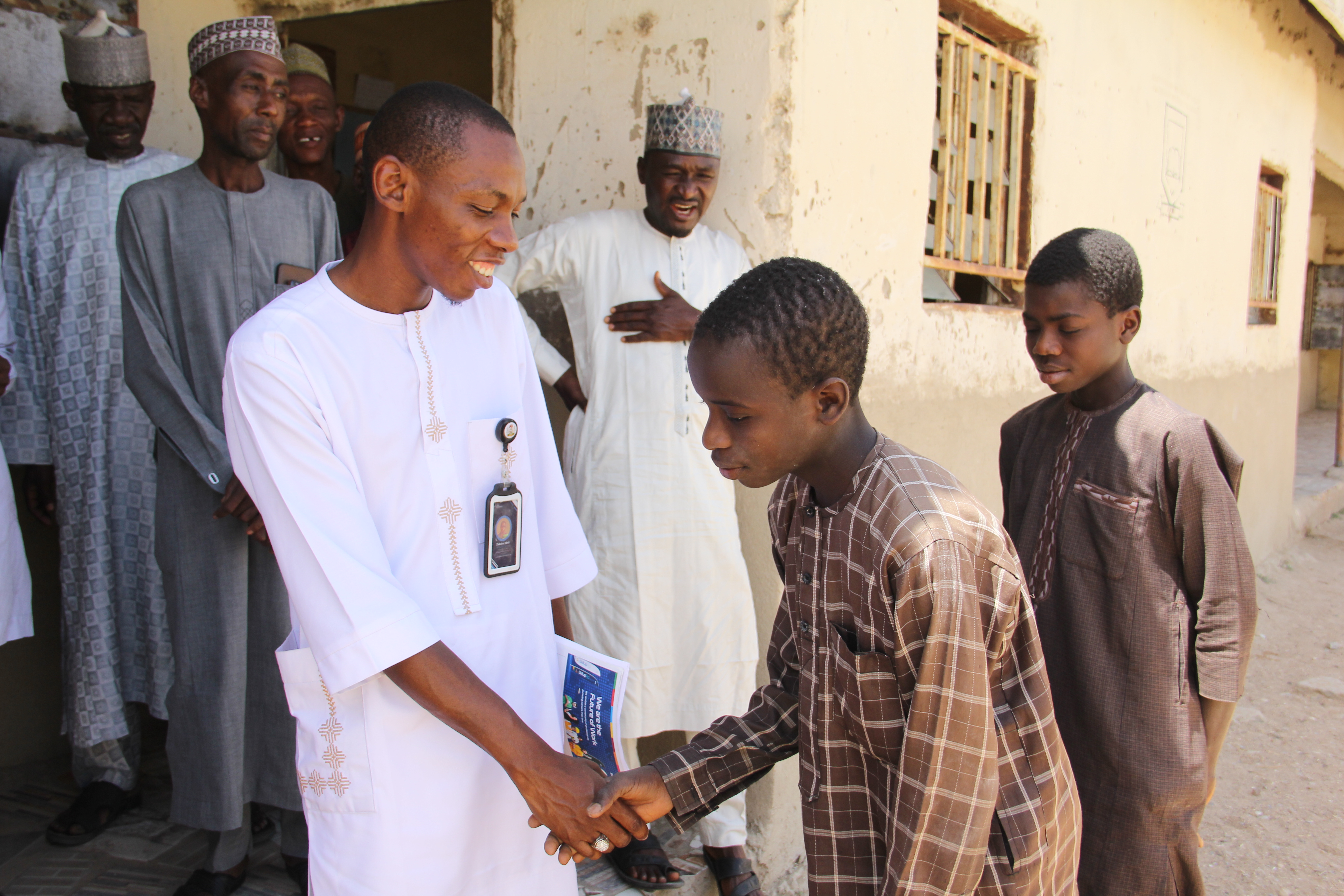
Community involvement, where teachers, parents, and volunteers participate in digital awareness activities, strengthens project sustainability and long-term ownership.
Impact:
Expanded digital access · Improved digital literacy · Increased school participation · Strengthened ICT/STEM interest among youth
ReadMore: https://drive.google.com/drive/folders/1qcl0iZTJ6Q6RHW24_ZWuJLHkumw87h6v?usp=sharing